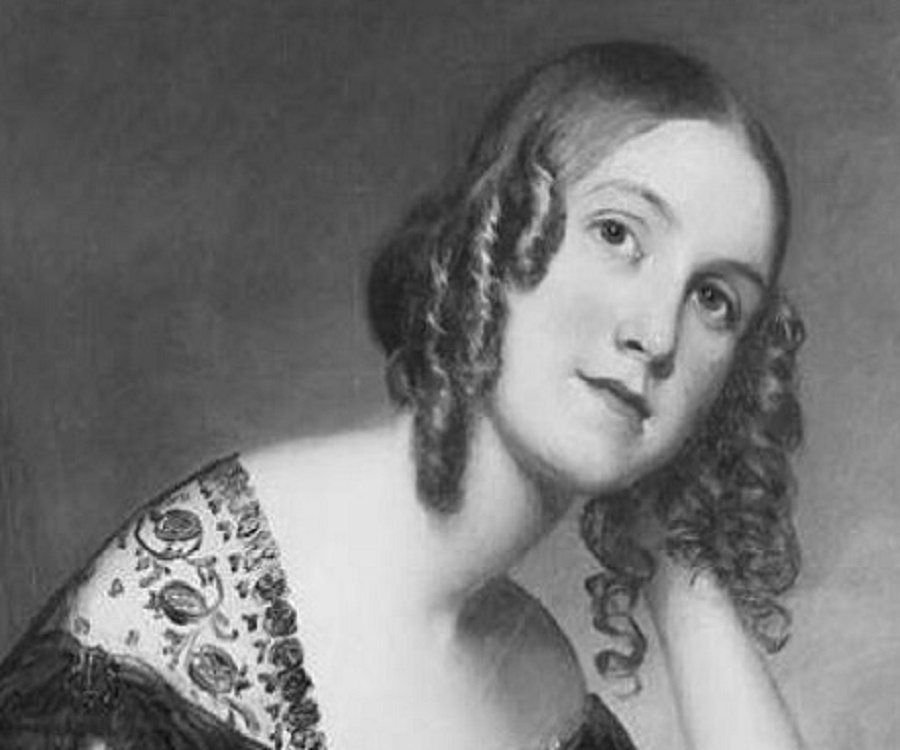
The life of Angelica Hamilton, the eldest daughter of Elizabeth and Alexander Hamilton, is a poignant testament to both her family's triumphs and profound tragedies. While her name is often whispered in the shadows of her more famous parents, understanding her full story requires a deep dive into the scarce yet invaluable Primary Historical Sources on Angelica Hamilton. These aren't always easy to come by, nor are they always straightforward to interpret. Yet, by meticulously examining the letters, wills, and records left behind, we can piece together the narrative of a bright, promising young woman whose world was irrevocably shattered by grief, and the enduring devotion of a mother who sought to protect her through a lifetime of mental illness.
This guide isn't just about listing documents; it's about equipping you to understand what these sources are, where to find them, and how to approach them with the critical eye of a seasoned historian—or simply an interested human being.
At a Glance: Unpacking Angelica Hamilton's Primary Sources
- Core Documentation: Angelica's life is primarily documented through family letters, particularly those of her parents, Alexander and Elizabeth Hamilton.
- Insights into Illness: These sources offer rare glimpses into 19th-century attitudes toward mental illness, the profound stigma, and the challenges of care within elite families.
- Mother's Devotion: Elizabeth Schuyler Hamilton's unwavering care for Angelica is a central theme revealed through her correspondence and legal documents.
- Limitations: Angelica's own voice is largely absent post-breakdown, and medical descriptions are rudimentary by modern standards.
- Accessibility: Most significant primary sources are housed in archives like the Library of Congress, Columbia University, and the National Archives, often digitized for wider access.
The Silent Gaps: Why Primary Sources Are Paramount for Angelica's Story
To truly comprehend Angelica Hamilton's journey, we must grapple with a significant challenge: she herself left no direct record of her adult experiences. Her mental breakdown in 1801, following the death of her beloved brother Philip, rendered her unable to articulate her thoughts or keep diaries in the way many of her contemporaries might have. Described as entering an "eternal childhood," her condition meant she lived in a state of disorientation, rarely speaking, and fixated on her brother.
This absence of her own voice makes primary sources from those around her not just important, but absolutely vital. They are our sole window into her world, reflecting her early brilliance, the catastrophic impact of her grief, and the meticulous, loving care she received throughout her long life. Without these firsthand accounts from family members—often couched in the language of the late 18th and early 19th centuries—Angelica would remain little more than a footnote in her family's epic saga. It’s through these often-fragile documents that her humanity, and the intense personal anguish within the Hamilton household, truly come into focus.
Mapping the Documentary Landscape: Where Angelica's Story Resides
The journey to uncover Angelica Hamilton's life through primary sources primarily leads us to the vast collections of her parents' papers and the broader Schuyler family archives. These aren't always neatly cataloged under her name, but rather woven into the fabric of the daily lives and concerns of those who loved her most.
Family Correspondence: The Heart of the Matter
The most revealing and emotionally resonant primary sources concerning Angelica are, without a doubt, the letters exchanged between her parents, other Hamilton siblings, and the extensive Schuyler family network. These documents provide intimate, often raw, insights into her early development, the shock of her illness, and the ongoing efforts to care for her.
- Alexander Hamilton's Letters: Before his own tragic death in 1804, Alexander Hamilton's correspondence occasionally mentions Angelica. While his letters are predominantly focused on political and legal matters, you'll find tender remarks about his "little Angelica" in her youth, referencing her musical talents and bright disposition. Post-1801, his letters sometimes carry the heavy burden of her condition, revealing his profound distress and concern. These letters, often found in "The Papers of Alexander Hamilton" (edited by Harold C. Syrett, et al.) or digital archives like the Library of Congress's Hamilton Papers, give us a father's perspective on his beloved daughter's decline.
- Elizabeth Schuyler Hamilton's Letters: Elizabeth's correspondence is perhaps the most crucial for understanding Angelica's life, especially after Alexander's death. Her letters to her children, relatives like her sister Angelica Schuyler Church, and friends frequently mention Angelica's well-being. These sources illuminate Elizabeth's unwavering devotion, her practical decisions regarding Angelica's care (prioritizing home care over institutionalization), and the emotional toll it took. They are testaments to a mother's love in the face of immense personal hardship. Many of these letters are preserved in the Schuyler Papers at the Library of Congress and Columbia University's special collections.
- Letters from Other Hamilton & Schuyler Family Members: Correspondence between Angelica's siblings (like James Alexander Hamilton or John Church Hamilton) or her aunts and uncles (especially Angelica Schuyler Church, who gifted Angelica her piano) can also offer peripheral but valuable information. They might reference visits, observations, or express concern, adding layers to the family's shared experience of caring for Angelica. These can be more scattered but are often found within the larger family collections.
What these letters reveal: - Angelica's Early Persona: Descriptions of her as sensitive, lively, intelligent, musical, and artistic, playing duets with her father.
- The Onset of Illness: The immediate aftermath of Philip's death, described in hushed, grief-stricken tones.
- The Nature of Her Condition: Terms like "mentally unstable," "invalid," "eternal childhood," and "delirium" are used, giving us the language of the era's understanding of her state.
- Caregiving Strategies: Insights into Elizabeth's decision-making, the arrangements for her stable home environment, and the financial provisions made for her care.
Legal & Administrative Records: Glimpses of a Life
Beyond the emotional intimacy of letters, more formal documents provide concrete markers in Angelica's life.
- Wills and Estates:
- Alexander Hamilton's Will (1804): While Angelica isn't individually named for a specific inheritance due to her condition, his will's provisions for Elizabeth and his family indirectly secure her future care.
- Elizabeth Schuyler Hamilton's Will (1854): This document is particularly significant. Elizabeth explicitly requests that her other children be "kind, affectionate, and attentive" to Angelica, ensuring her continued care after Elizabeth's death. This speaks volumes about Elizabeth's foresight and enduring concern for her eldest daughter. These wills are typically found in county probate records or within the digitized papers of Alexander and Elizabeth Hamilton.
- Church Records: Angelica's baptismal record from Trinity Church in New York City (October 5, 1788) provides a definitive date and location, confirming her official entry into the world. Such records are usually held by the respective churches or their diocesan archives.
- Cemetery Records: Her death record and burial information from Sleepy Hollow Cemetery (Westchester County) confirm her passing in 1857 at age 72 and her final resting place. These are maintained by the cemetery itself and sometimes indexed in genealogical databases.
- Medical Records (Indirect): While direct medical charts for Angelica are unlikely to exist in a modern sense, any mentions in family letters of consultations with doctors (like Dr. James Macdonald, who cared for her in Flushing, Queens in her later years) count as indirect primary sources. Detailed institutional records for her specific private care might be rare, but general medical practices and common treatments of the era can be inferred from other period documents.
Peripheral Records & Accounts
While not directly about Angelica, other primary sources can help contextualize her life:
- Newspaper Announcements: Birth and death notices for prominent families like the Hamiltons would occasionally appear in local papers. While rare for Angelica's specific illness, these give a sense of public acknowledgment.
- Contemporary Memoirs & Diaries: Diaries or memoirs of individuals who interacted with the Hamilton family could offer anecdotal observations. For example, George Washington's diary might mention interactions with the Hamilton children, though unlikely to delve deeply into Angelica's personal life.
- Architectural Records: While not textual, understanding the layouts of the Hamilton homes (e.g., The Grange) can provide insight into the physical environment in which Angelica lived and was cared for, offering a silent backdrop to the written accounts.
Navigating the Nuances: Interpreting 19th-Century Records
Approaching Angelica Hamilton's primary sources demands a nuanced understanding of their historical context. These aren't clinical case files, but personal communications shaped by the societal norms, medical understanding, and emotional realities of the time.
The Language of Illness: A Different Vocabulary
When reading descriptions of Angelica's condition, it's crucial to remember that 19th-century medical language was vastly different from today's.
- Vague Terminology: Terms like "insane," "delirium," "melancholy," "invalid," or "deranged" were broad descriptors, often lacking the specific diagnostic criteria we use for mental health conditions today. They didn't distinguish between, say, schizophrenia, severe depression, or post-traumatic stress disorder in the way modern psychiatry does.
- Focus on Symptoms, Not Causes (Often): Family members describe symptoms—withdrawal, disorientation, repetitive behaviors, fixation on Philip—but their understanding of the underlying cause was limited. They correctly identified the trigger (Philip's death) but couldn't explain the neurological or psychological mechanisms at play.
- Emotional vs. Clinical: The language used is often more emotional and compassionate than clinical, reflecting personal distress rather than a medical assessment. A mother describing her child as being in "eternal childhood" is an expression of love and heartbreak, not a diagnostic term.
Societal Stigma and Family Privacy: What Was Left Unsaid
The 19th century was a time of immense social stigma surrounding mental illness, especially for women of elite status. A family's reputation was paramount, and mental or physical afflictions that deviated from societal norms were often concealed.
- Protection of Reputation: Elizabeth Hamilton's decision to care for Angelica at home, rather than institutionalizing her (which was an option, albeit often a brutal one, in that era), was likely driven by both maternal love and a desire to protect Angelica from the public scrutiny and harsh conditions of asylums. This means the letters might carefully phrase details or omit elements deemed too private or shameful.
- Internal Discourse: Much of the detailed discussion about Angelica's care and condition would have occurred within the family circle, often face-to-face, or in letters exchanged only among trusted confidantes. What we read in the surviving documents may be a filtered version of the family's full experience.
- Absence of Direct Voice: The most significant challenge, as noted, is Angelica's inability to speak for herself. We only see her through the eyes of others, which, while loving, cannot fully capture her internal world.
The Scholarly Approach: Connecting the Dots
Modern historians and biographers like Ron Chernow, in his seminal work Alexander Hamilton, draw heavily on these primary sources. They don't just quote them; they contextualize them, cross-reference them, and read between the lines to construct a narrative that is as accurate and empathetic as possible. They understand that Angelica Hamilton's life is a window into broader societal issues of the time.
Key Insights from the Primary Record: What We Learn
Despite the challenges of interpretation, Angelica's primary sources offer profound insights into her life, her family, and the social history of mental health.
A Spirited Youth Unravelled
The earliest letters paint a picture of a vibrant, promising child. Her father, Alexander, a talented amateur musician himself, particularly cherished her musical gifts. The description of her playing piano duets with her father isn't merely a charming anecdote; it highlights a shared passion and connection that would later become tragically significant. Her aunt, Angelica Schuyler Church, sending her a piano from London underscores the family's investment in her artistic development. These snippets of her youth are crucial because they stand in stark contrast to the life she would lead after 1801, emphasizing the magnitude of her loss.
The Shadow of Philip's Duel
The immediate aftermath of Philip's death on November 23, 1801, is the undisputed catalyst for Angelica's breakdown, as explicitly or implicitly stated in family correspondence. The shock was instantaneous and devastating. She was 17, and the bond with her older brother was evidently profound. The letters describe her swift decline into a state of "delirium," unable to recognize family members or engage meaningfully with the world. This tragic event underscores how individual psychological trauma can profoundly alter a life, a concept increasingly understood today, but devastatingly unaddressed in clinical terms then.
Elizabeth's Enduring Devotion: A Mother's Unbreakable Promise
Perhaps the most powerful revelation from Angelica's primary sources is the relentless, unwavering devotion of her mother, Elizabeth Schuyler Hamilton. For over 50 years, until Elizabeth's own death at age 97 in 1854, Angelica was her mother's primary focus.
- Home Care as Priority: Elizabeth consciously chose to keep Angelica at home, providing a stable, loving environment, rather than sending her to an asylum. This decision, documented through family letters, speaks volumes about her protective instincts and resistance to the harsh public realities of mental healthcare at the time.
- Financial Provisions: Elizabeth's 1854 will, with its specific instructions for Angelica's continued care by her siblings, is a testament to her foresight and concern. She ensured her daughter would be looked after even after she was gone, securing both financial resources and the emotional commitment of the family.
- Emotional Burden: While the letters don't always detail the daily grind of caregiving, the sheer length of Elizabeth's commitment and the family's collective concern, as seen through their ongoing correspondence, highlight the immense emotional and practical burden she carried.
A Glimmer of Self: Music as Connection
Even in her prolonged state of "eternal childhood," one activity consistently provided a flicker of recognition or peace for Angelica: playing the piano. Family accounts note she would often play old-fashioned songs, sometimes for hours. This detail, culled from various mentions, is incredibly significant. It suggests a remnant of her former self, a connection to her youth and her father, and a means of expression when verbal communication was largely absent. The fact that she continued this practice into her final years at Dr. Macdonald's care facility in Flushing, Queens, shows a remarkable consistency and a personal anchor.
For the Aspiring Historian: Best Practices for Engaging These Sources
If you're delving into these primary sources, whether for academic research or personal interest, here's how to approach them like a pro:
- Context is King: Always place the document within its historical context. What was happening politically, socially, and medically in 1784? 1801? 1857? Understanding 19th-century attitudes towards grief, mental illness, and family duty is paramount.
- Cross-Reference Relentlessly: Never rely on a single source. Corroborate information across multiple letters, wills, and contemporary accounts. Do descriptions align? Do different family members offer similar observations?
- Identify and Mitigate Bias: Recognize that family letters are inherently biased. They are written by people who loved Angelica, were protective of her, and were shaped by their own experiences and the social mores of their time. They might sugarcoat, omit, or interpret events through a specific lens.
- Mind the Gaps: Be comfortable with what you don't know. The absence of a direct voice from Angelica is a significant gap. Resist the temptation to fill these gaps with modern assumptions or speculative interpretations that lack evidentiary support.
- Seek Out Scholarly Interpretations: Read established biographies (like Ron Chernow's Alexander Hamilton) to see how experienced historians have grappled with these same sources. They can offer a valuable framework for your own analysis.
- Utilize Digital Archives: Institutions like the Library of Congress, Columbia University, and the National Archives have digitized vast portions of the Hamilton and Schuyler papers, making them accessible to a global audience. These platforms often include transcripts, making it easier to read the sometimes challenging 18th/19th-century handwriting.
Common Questions About Angelica's Sources Answered
Navigating historical records often leads to specific questions. Here are some common ones related to Angelica Hamilton's primary sources:
Q: Did Angelica Hamilton ever write anything herself after her breakdown?
A: There is no known evidence of Angelica Hamilton writing letters, keeping a diary, or creating other personal written records after her profound mental breakdown in 1801. Her condition, described as an "eternal childhood" and characterized by disorientation and limited speech, would have rendered such activities extremely difficult or impossible.
Q: Are there any detailed medical records or psychiatric evaluations of Angelica?
A: Not in the modern sense. While family letters might mention consultations with doctors, detailed case notes or psychiatric evaluations as we know them today did not exist in the early 19th century. Medical understanding of mental illness was rudimentary, and records from private care, particularly for elite families, were rarely formalized or preserved in the public domain. Our understanding of her symptoms comes from family observations, not clinical diagnoses.
Q: How much do we really know about her day-to-day life?
A: We know enough to piece together the broad strokes: her early promise, the devastating impact of Philip's death, her lifelong mental health struggles, and her mother's tireless care. Specific daily routines are less documented, reflecting the private nature of her care. However, we have poignant details like her continued piano playing, which offers a powerful glimpse into her enduring connection to her past.
Q: Where are the original documents primarily held?
A: The most significant collections are housed in major archival institutions. The Hamilton Papers and Schuyler Family Papers are primarily found at the Library of Congress in Washington D.C., and in the Special Collections at Columbia University in New York City. Other relevant documents might be in the National Archives or various state historical societies. Many of these collections have been digitized and are accessible online.
Beyond the Letters: Understanding Angelica's Enduring Legacy
The primary historical sources on Angelica Hamilton offer more than just biographical details; they provide a profound lens through which to view the challenges of mental illness in a bygone era, the power of familial love, and the often-unseen struggles within even the most prominent families.
Angelica's story, meticulously pieced together from these precious documents, resonates today. It reminds us of the fragility of the human mind, the enduring impact of grief, and the timeless devotion of a mother. By carefully studying these firsthand accounts, we not only pay homage to Angelica herself but also gain a deeper appreciation for the complex human narratives that often lie beneath the surface of grand historical events. Her life, silent in its suffering, speaks volumes through the love and concern etched into the surviving pages of her family's history.